Ամենաանհավանական վայրերը, որտեղ մարդիկ բնակվում են (լուսանկարներ)

17:00 , 11 ապրիլ, 2014

Վենեսուելայի մայրաքաղաք Կարակասում բնակչության մոտ 70 տոկոսը բնակվում է ետնախորշերում, որին վերևից նայելիս թվում է՝ բլուրները ծածկած են սավանով:

In Caracas, the capital of Venezuela, nearly seventy percent of the population lives in slums that seem to drape over every corner of the city.

Կարակասի կենտրոնում է գտնվում «Տոռե Դավիդ» 45-հարկանի օֆիսային շենքը, որի կառուցումն անավարտ մնաց 1993թ.-ին, երբ մահացավ դրա նախագծողը և երբ Վենեսուելայի տնտեսությունը անկում ապրեց: Դրանից 8 տարի անց մարդիկ սկսեցին տեղափոխվել լքված շենք, և այսօր այն համարվում է աշխարհի ամենամեծ ուղղահայաց ետնախորշը:

In the centre of the city is the Torre David, a forty-five story unfinished office tower that was in the midst of construction until the developer died in 1993, and the crash of the Venezuelan economy the following year. About eight years ago, people started moving in to the abandoned construction site, and today it is considered the world’s largest vertical slum.

Առանց վերելակների այս շենքում մարդիկ 45 հարկերը ոտքով են բարձրանում և իջնում: Ծերերն ու նրանք, ովքեր ֆիզիկապես թույլ են, առաջին հարկերում են բնակվում, իսկ երիտասարդներն ու առողջները՝ վերևի հարկերում: Երբեմն, ինչպես այս լուսանկարում է պատկերված, մարդիկ պատերն այնպես են ներկում, որ այն ավելի հաճելի տեսք ունենա:

With no lifts or escalators, the tower is essentially a forty-five-story walk up. You’ll find seniors or those less physically-abled on the lower floors, and the young and healthy near the top. Public spaces like this stairwell are painted with care in order to make the tower feel more like an apartment building.

Կարակասում օդի միջին ջերմաստիճանը 28-ն է, և մարդիկ կարիք են ունենում օդափոխության համար ինչ-որ լուծումներ գտնելու, այդ իսկ պատճառով այսպիսի անցքերը պատերում, ինչպես այս լուսանկարում, ծառայում են որպես օդափոխության համակարգ, ինչպես նաև օգնում են շենքում ավելի հեշտ տեղափոխվել:

With the average temperature in Caracas reaching twenty-eight degrees, the inhabitants needed to find ways to induce airflow, and this also serves as a circulation system to help inhabitants better navigate the building.

Շենքի բնակիչները փորձում են կահավորել ու ավելի հարմարավետ դարձնել իրենց բնակարանը՝ հնարավոր առարկաներով: Իսկ պատերը, ինչպես այս դեպքում, նրանք երբեմն ծածկում են թերթերով ու ամսագրերով, որոնք որպես պաստառներ են ծառայում:

In an exercise of ingenuity, inhabitants like this family typically mark their space with whatever materials they can find or purchase.  Here, newspaper becomes wallpaper.

Այստեղ յուրաքանչյուր բնակարան սիրով է կահավորված՝ ըստ մարդկանց հնարավորությունների:

Every home in the tower is designed with love and passion – at least up until as far as one can reach.

Այս շենքում նույնիսկ միկրոտնտեսություններ կան` խանութներ, եկեղեցի ու, ինչպես այս դեպքում, մարզասրահ:

The tower functions on an entire system of micro-economies, and on each floor, you’ll find a collection of shops and services. You’ll find the church, the grocery store as well as the gym on the thirtieth floor, where all of the weights are made from the unused elevator equipment.

Այս աշտարակը բնակարանային «կմախք» է, որի մեջ յուրաքանչյուրը փորձում է ստեղծել իր հարմարությունները:

Like a beehive, the tower provides a skeleton framework for each inhabitant to create something for himself or herself by whatever means they can afford.

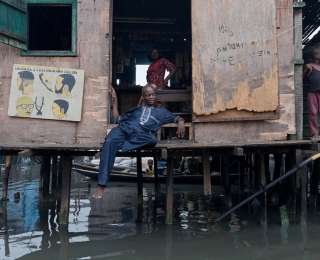
Նիգերիայի Լագոս բնակավայրի կենտրոնում է գտնվում Մակոկոն` մոտ 150.000 բնակիչներից բաղկացած համայնք, որն ապրում ու աշխատում է հենց ջրի մակերեսին` մի քանի մետր բարձրության վրա:

In the centre of Lagos is Makoko – a community of approximately one hundred and fifty thousand who live and work on stilted structures, just meters above the Lagos Lagoon.

Մակոկոն Նիգերիայում բնակչության արագ աճի, ինչպես նաև այն բանի օրինակն է, որ մարդիկ կարող են հարմարվել բնակության համար ամենաանհավանական թվացող պայմաններին:

Makoko is both an example of Nigeria’s seemingly irrepressible population growth, and an incredible illustration of our human ability to adapt to seemingly inhospitable conditions.

Մարդիկ այստեղ կյանքն ավելի հարմարավետ դարձնելու համար կառուցել են վարսավիրանոցից մինչև կինոթատրոններ:

From the barbershop to the movie theatre, every aspect of life in Makoko has been adapted to meet the demands of life on the water.

Չնայած բազմաթիվ խնդիրներին ու անհարմարություններին՝ այստեղ կարող եք ականատես լինել ջրի վրա լողացող կենդանի երաժշտություն նվագող խմբի:

Despite being a highly disadvantaged community, when it comes to good live music, the atmosphere in Makoko is quintessentially Nigerian. At any given time, you’ll find a band floating down the lagoon, for all of the community to enjoy.

Նիգերյան կառավարության` տնտեսության զարգացման համար այս տարածքները մաքրելու ծրագրերին ի պատասխան, ճարտարապետ Կունլե Ադեյեմին դպրոց է կառուցել Մակոկոյի երեխաների համար:

In Makoko, forced evictions are a daily reality. In response to the government’s plan to clear out the area to make room for development, the Nigerian Architect, Kunle Adeyemi built a school for the children of Makoko. Today, the entire community uses the structure, and the building appears like a beacon against the landscape.

Եգիպտոսի մայրաքաղաք Կահիրեում գտնվող Մոկատամի ժայռերի տակի փլատակներում բնակվում են ղպտիները, ովքեր իրենց ապրուստը վաստակում էն քաղաքի տարածքում գրասենյակներից ու տներից դուրս նետված աղբը հավաքելով:

Under the cliffs of the Mokattam Rocks one will find the Zabaleen – a community of Coptic Christians who make their living by collecting and recycling waste from homes and business across Cairo.

Հավաքված աղբը բերվում է տուն, որտեղ դրանք տեսակավորում են, իսկ հետո դրա մնացորդները` անպետք մասը, նորից թափում են:
Այստեղ աղբակույտերը գրեթե «անտեսանելի են» բնակչության համար, որովհետև աղբի հետ ապրելը նրանց համար սովորական է դարձել:

The collected waste is brought back home where it is sorted and crushed before being sent off to a third party. To those in the Zabaleen, the waste becomes nearly invisible, as living amongst piles of garbage is merely a new definition of normal.

Դրսից տեսարանը իսկական խառնաշփոթ ու քաոս է հիշեցնում, սակայն երբ ներս ես մտում բնակարաններից մեկը, մթնոլորտն ամբողջովին փոխվում է:

On the street level, the area seems to be in complete disarray, but step inside one of the homes, and you’ll be met with all manner of elaborate interior design choices.

Չինաստանի Շանքսի, Հենան և Գանսու շրջաններում դուք կարող եք ականատես լինել գետնի տակ ժայռերի մեջ մոտ 7 մետր փորված տների: Մինչև 2000-ականների կեսեր այստեղ բնակվող մարդկանց թիվը մոտավորապես 40 միլիոն է հաշվարկվել:

In the provinces of Shanxi, Henan and Gansu you will find collections of yadongs – underground cave dwellings that are dug out from the soft and malleable Loess Plateau soil. Up until the early 2000’s an estimated forty-million people still lived in sunken courtyard houses which sit seven meters below-ground.

Աղքատ ֆերմերների համար այսպիսի տներ կառուցելու համար այնքան էլ շատ բան չի պահանջվում, պարզապես բա ու մի քանի ընկերներ, ովքեր կօգնեն այս հողերը փորել: 

For the poor farmers, building a yadong costs next to nothing – all one needs is a shovel and a few friends to dig the soil.